
Yona Friedman is a Hungarian-born French architect, urban planner and designer. He was influential in the late 1950s and early 1960s, best known for his theory of mobile architecture. He had painted some very provocative images during the time when Modernism was at its peak and these Utopian idea floated all over the world through newsletters and journals. Modernism was the age to question the existing to generate that picture perfect image where the default mechanism was to constantly improve where the idea was to arrive at one perfect solution.
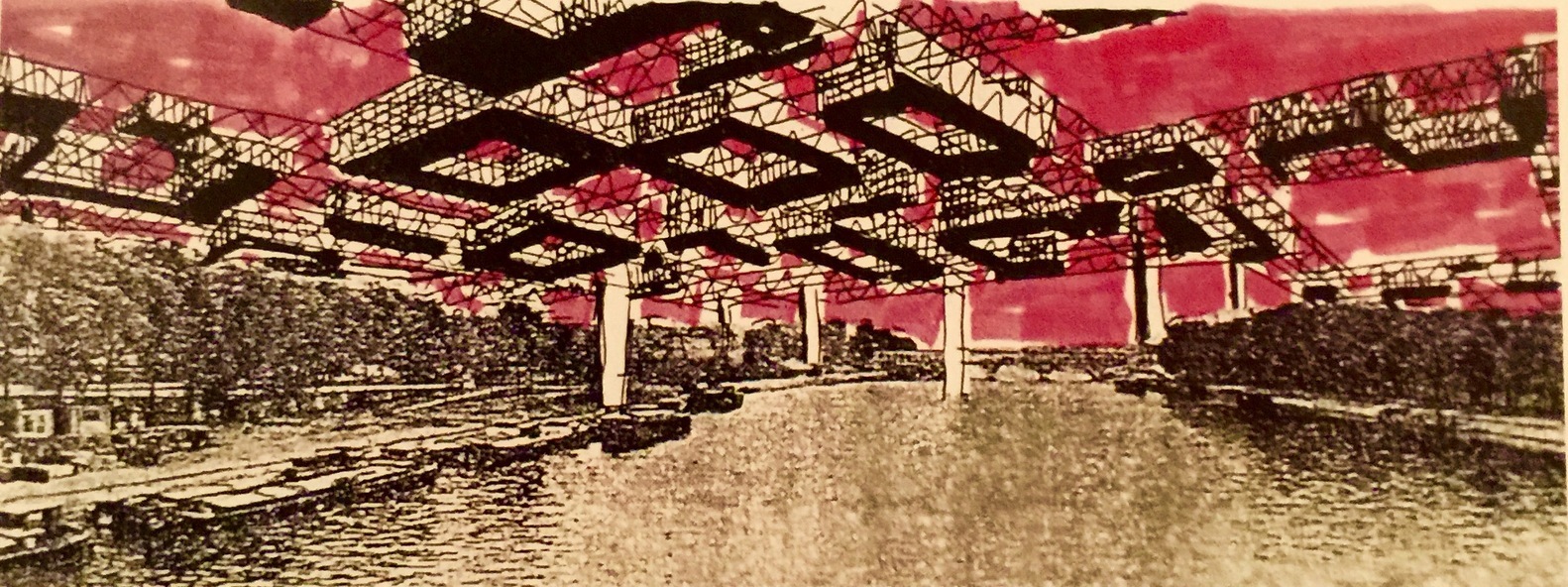
But as defined by scholars, Post-Modernism is an ongoing process where the end result doesn’t matter but the whole game is to keep on upgrading. Thus, the crux of the matter being the process to be of much more importance than the end result as it is a never ending process. Friedman’s work became famous in the 50s and the 60s when radical ideas were being expressed in the form of collages that challenged the ongoing ideas and imaged a scenario that is perfect. He imagined a city above city where the existing grid, structure of the city remains intact but the structural grid above can help the city grow. The whole idea of people plugging their homes in the grid above was then proposed by Friedman where, the stake holders are given the full responsibility of building their own homes. This, was proposed to enhance the design method that talked about the user participation in the decision making process. Thus, this again becomes an example of hyper-modernity where the process was given much more importance rather than the end result however the representation maybe.

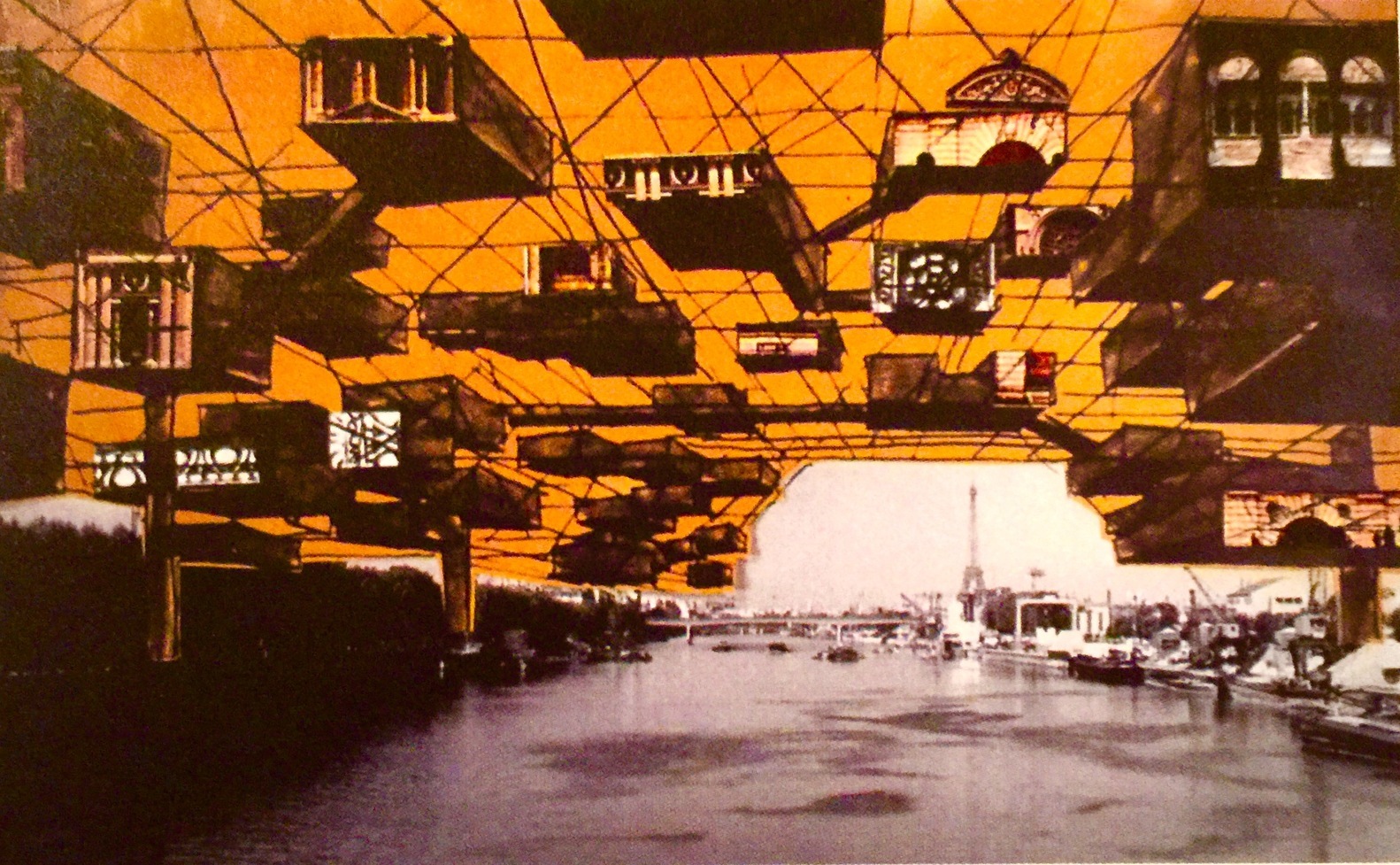
This proposal of Ville Spatiale, was proposed after the Second World War, when a lot of destruction has already taken place at ground zero, so this proposal was lifting the city on an upper level and having minimum impact on the ground. According to Friedman, this was not an ultimate solution for designing the upcoming cities but was just a proposal that can constantly be tried and worked on to achieve better results. According to him this was a trial and error process that pushes forward in any technology. He tweaked the term hyper-modernity into:
” A plan conceived on paper may be a good idea, but that’s all it is. Everything needs to be tested and improved all the time. “
Thus, as a personal take hyper-modernity is a constantly evolving phenomenon. Its like this never-ending loop that never gets to the end point. In this age of modern technology there is always an

 Namrata's blog