Modernism phase in architecture started with defining the attributes of architecture such as function follows form, the purity of the materials, architecture to be independent of the context etc.
But the phase of Hyper-modernism was not to change/add/subtract these attributes but to refine each one of them irrespective of the truth or relevant values they hold. Hyper-modernism finds its validation in emphasis on the value of new technology to overcome natural limitations and emphasizes a dismissal of an object-driven past in favor of a flexible, attribute-driven heuristic.
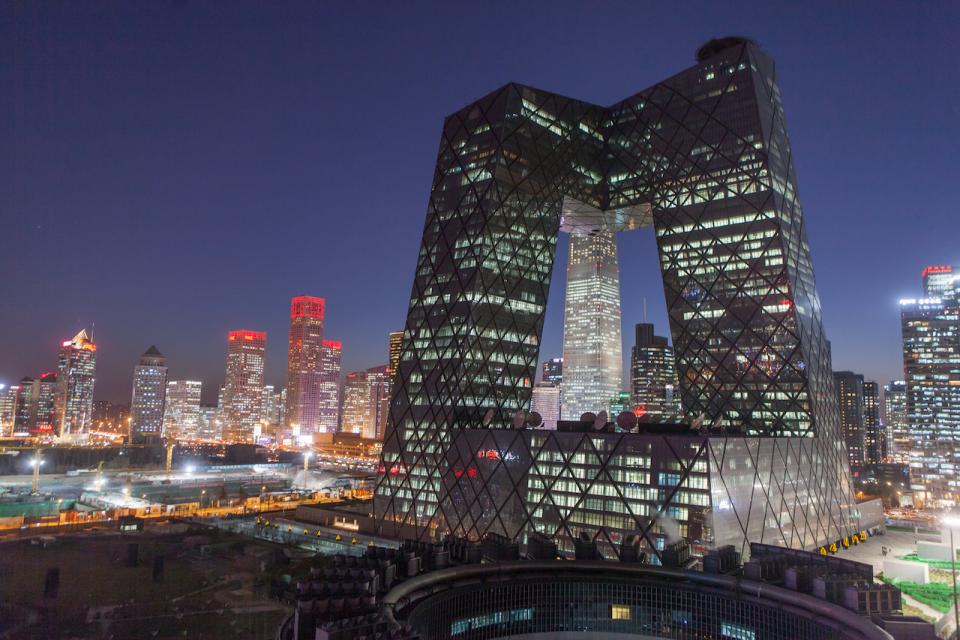
CCTV defies the skyscraper’s typical quest for ultimate height. Rising from a common platform, two towers lean towards each other and eventually merge in a perpendicular, 75- meter cantilever. The design combines the entire process of TV-making – formerly scattered in various locations across the city – into a loop of interconnected activities.
It was noted that in the period of 2000-2005 Asia constructed more number of sky scrapers than the Western world. China floated a competition of designing a skyscraper in Beijing that empowered the political ambition of the nation. OMA won the competition and proposed the CCTV tower where the ‘outer box’ was designed keeping the mundane context in mind.
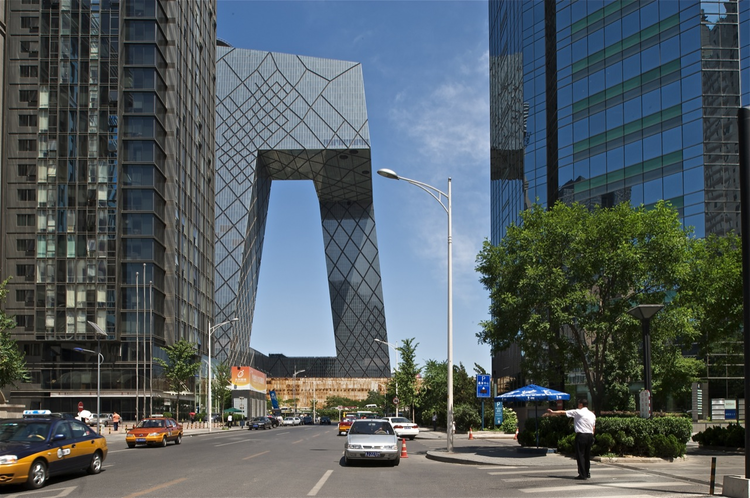
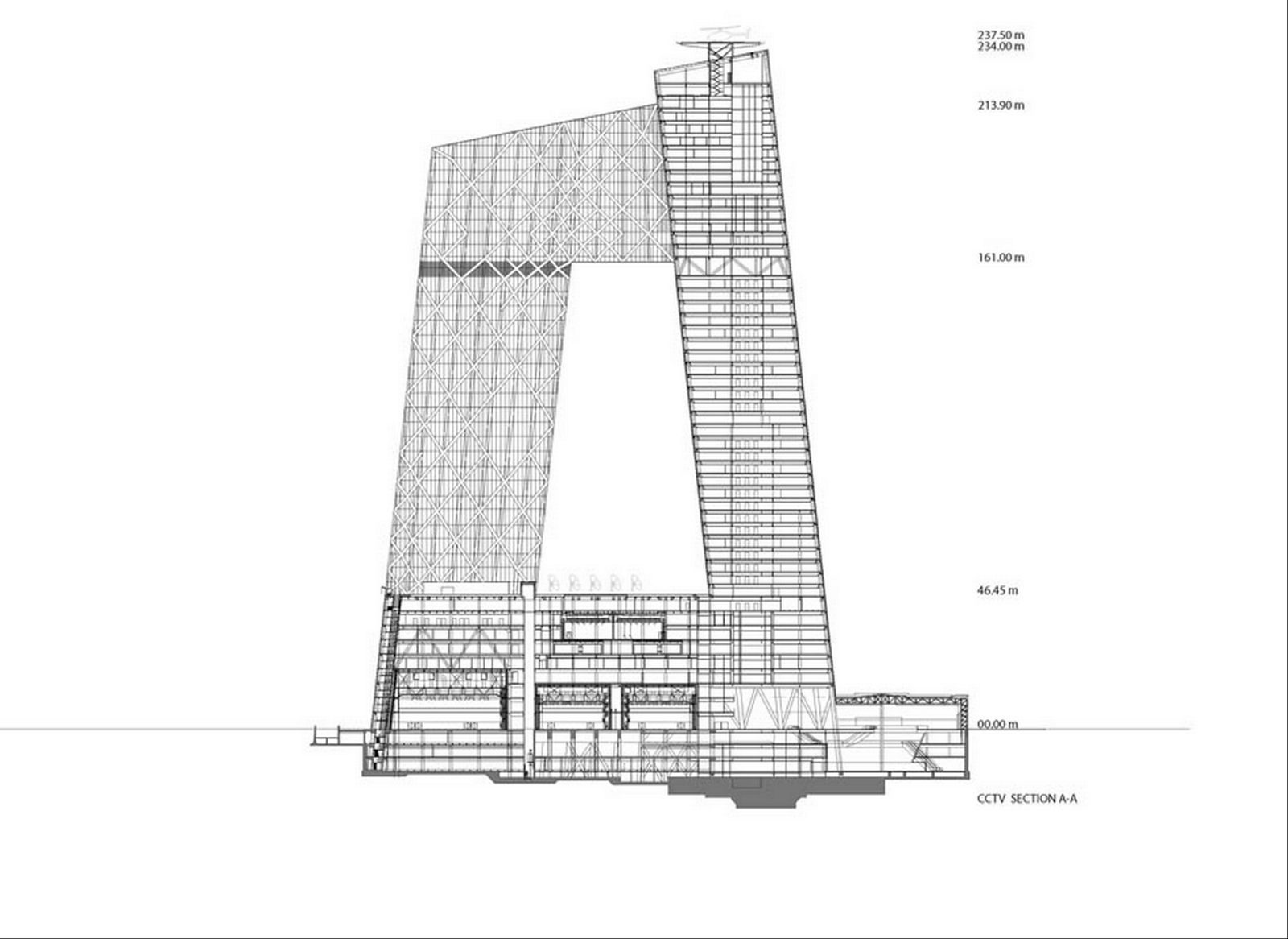
If the outer skin was observed carefully, it gives insights into the structural system of the building where the truss which forms the structural system is exposed and integrated with the skin of the building. Whereas, if we look at the section of the building, one would observe that the inside spaces are similar to any office space.
Thus, this questioning of does : Form follows Function or Function follows Form has been changed to- there need not be any dependence on any of these on each other.
Thus with this inference i think that this building falls under the category of Hyper-modernist era of architecture.



 Namrata's blog